Tiered Verification Structures and Their Effects on Bettor Onboarding Completion
Freya Ludwig · Aug 18, 2026
Tiered Verification Structures and Their Effects on Bettor Onboarding Completion
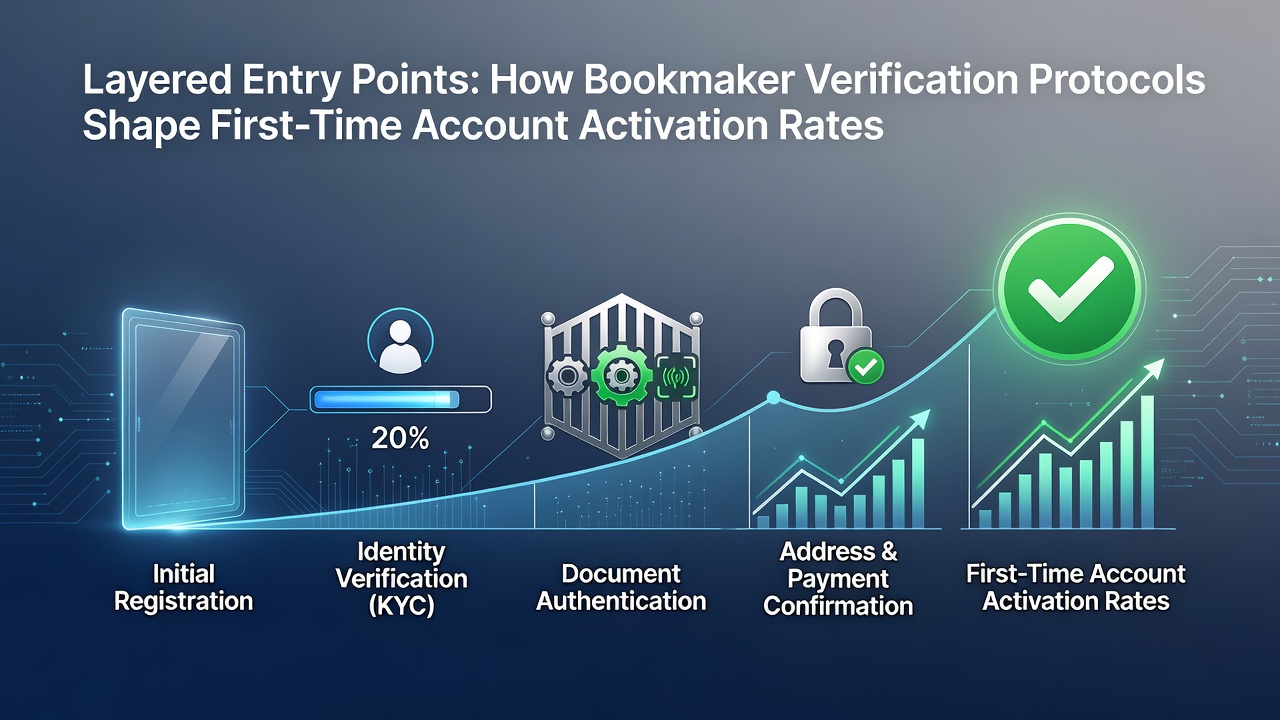
Bookmaker platforms have adopted multi-stage verification protocols that layer identity checks, document uploads, and automated screening tools before users complete initial account activation, and these systems directly influence how many first-time registrants finish the process. Data from regulatory filings indicate that activation rates vary widely depending on the number of required layers, with some platforms reporting completion drops of up to 35 percent after the third verification stage.
Entry Point Design and Protocol Stacking
Operators build entry points that begin with basic email and password creation, then progress through address confirmation, government ID submission, and sometimes facial recognition or bank linkage steps, while each additional requirement extends the time users spend on the flow. Researchers tracking platform analytics have observed that sessions exceeding four minutes at any single layer see sharp declines in progression, particularly when users encounter requests for utility bills or self-portrait photos alongside passport scans. In August 2026, several major North American operators adjusted their sequences to combine address and identity checks into a single automated pass, and early figures reveal modest lifts in activation numbers compared with the prior calendar year.
Regional Regulatory Influences on Verification Depth
North American jurisdictions enforce distinct standards that shape how many layers platforms apply, whereas European markets outside the UK emphasize consumer protection rules that often mandate separate source-of-funds checks for higher deposit amounts. The Nevada Gaming Control Board requires operators to verify age and location within the first registration cycle, which tends to keep early drop-off rates lower than jurisdictions that add post-activation reviews. Meanwhile, data from the Australian Communications and Media Authority shows that platforms incorporating real-time database cross-checks at the second layer achieve higher overall activation percentages than those relying solely on manual review queues.
One industry report compiled by the European Gaming and Betting Association examined 42 platforms across multiple markets and found that activation rates averaged 68 percent when verification involved no more than two automated steps, yet fell to 49 percent when a third manual review was inserted before users could place their first bet. These patterns hold across different user demographics, although younger registrants tend to abandon flows more quickly when asked for multiple document uploads in succession.
Impact on First-Time Activation Metrics
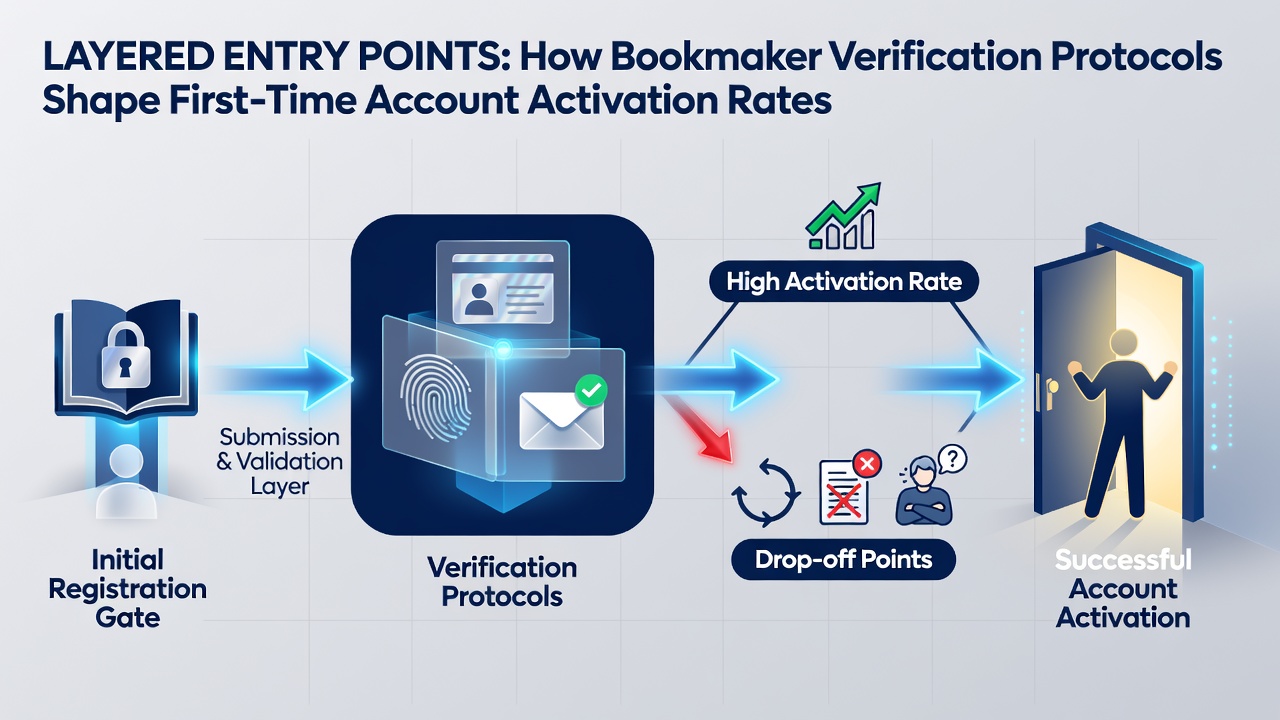
Platform operators track activation as the percentage of started registrations that reach fully verified status, and layered protocols create measurable friction at each checkpoint. Studies conducted by academic teams at the University of Nevada, Las Vegas, have documented that users who upload documents through mobile browsers complete verification 22 percent more often than desktop users, largely because mobile interfaces allow direct camera access for ID capture. When platforms add a separate bank account verification layer after initial approval, activation rates decline further because many users treat the account as complete once they receive the welcome email.
What's notable is that certain operators have introduced conditional activation, allowing limited bet placement while background checks continue, and this approach has produced higher overall completion figures in markets where regulations permit it. Figures released in mid-2026 show that platforms using conditional access saw 12 percent more users reach the point of placing a first wager compared with those enforcing full verification upfront.
Technical Tools and Their Role in Reducing Friction
Automated document verification services now integrate with government databases in several regions, which shortens teh time between upload and approval from days to seconds in many cases. Platforms that employ these tools report fewer support tickets related to verification status, and observers note that the reduction in manual touchpoints correlates with steadier activation curves throughout the week. Yet when technical errors occur during the automated pass, users often abandon the process entirely rather than retry, a pattern documented in internal platform logs shared with researchers.
Those who have analyzed registration funnels across dozens of sites emphasize that clear progress indicators and preemptive explanations of each required layer help maintain momentum, although the effect size varies by device type and time of day.
Conclusion
Layered verification protocols continue to define the boundary between registration attempts and active betting accounts, with the number and sequencing of checks shaping completion rates across different markets. Regulatory requirements set the minimum depth of these layers, while technological choices determine how smoothly users move through them. As operators refine their entry point designs, the data collected in 2026 suggests that balancing security mandates with streamlined flows remains central to improving first-time activation outcomes.