Touch-Optimized Mobile Designs Accelerating Account Verification in Online Betting
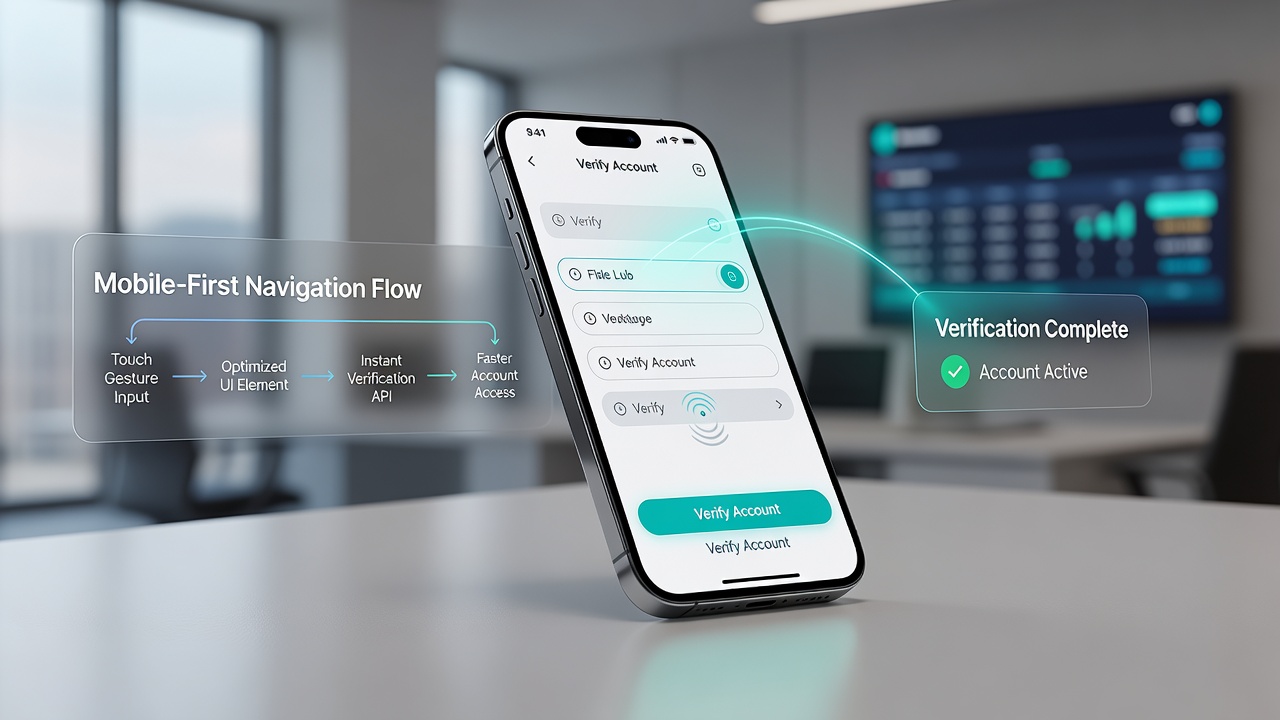
Bookmaker platforms have shifted toward mobile-first layouts where touch-optimized elements such as large tappable buttons, gesture-based navigation, and responsive form fields reduce friction during account verification. These design choices connect directly to faster processing of identity documents, address confirmation, and payment method validation because users complete steps with fewer errors on smaller screens. Data from regulatory filings in multiple jurisdictions show that mobile sessions now account for over 70 percent of new registrations at major wagering sites, which pushes operators to refine interfaces so that verification flows align with thumb-driven interactions rather than mouse clicks.
Core Components of Touch-Optimized Verification Flows
Verification begins with document upload, and platforms incorporate swipe-to-crop tools plus auto-focus cameras that activate when a user taps the upload zone. Larger hit areas around date selectors and address fields prevent mis-taps that previously caused resubmissions, while inline validation messages appear instantly after each entry rather than at the end of a form. Observers note that these adjustments cut average verification time by measurable margins because fewer corrections reach the compliance team for manual review.
Gesture support extends to PIN or biometric prompts that replace lengthy password resets, allowing returning users to confirm identity through fingerprint or facial recognition already stored on their devices. Integration with device-level secure enclaves keeps sensitive data local until the platform requests transmission, which satisfies data-protection rules while trimming steps from the overall process. Research from university-led studies on human-computer interaction in financial services indicates that such optimizations improve completion rates when users operate one-handed during commutes or breaks.
Regional Regulatory Context and June 2026 Trends
Platforms serving markets regulated by the New Jersey Division of Gaming Enforcement and the Alcohol and Gaming Commission of Ontario must log verification timestamps for audit purposes, so layout changes that shorten those timestamps also ease compliance reporting. In June 2026, heightened traffic ahead of the FIFA World Cup created additional pressure on verification queues, yet sites that had already deployed touch-first elements reported steadier throughput because mobile users moved through identity checks without desktop handoffs. Figures released by the Malta Gaming Authority around the same period highlighted similar patterns across European operators, where mobile verification completion exceeded desktop rates by double-digit percentages.
Practical Examples from Platform Implementations
One operator introduced a drag-and-drop document tray that accepts images directly from a phone gallery with a single long-press gesture, eliminating separate file-browse dialogs that often confuse first-time users. Another platform added contextual help overlays triggered by a two-finger tap on any form label, surfacing examples of acceptable ID formats without leaving the verification screen. These features, once rolled out, correlated with reduced support tickets related to upload failures according to internal metrics shared in industry roundtables.
Case studies compiled by academic researchers at institutions tracking digital gambling behavior show that when button sizes exceed 48 pixels in height and spacing between interactive elements meets or exceeds 8 pixels, error rates drop sharply on touchscreens. The same reports note that platforms adopting progressive disclosure—revealing only the next required field after the prior one validates—keep cognitive load low, which matters when users verify accounts while multitasking.
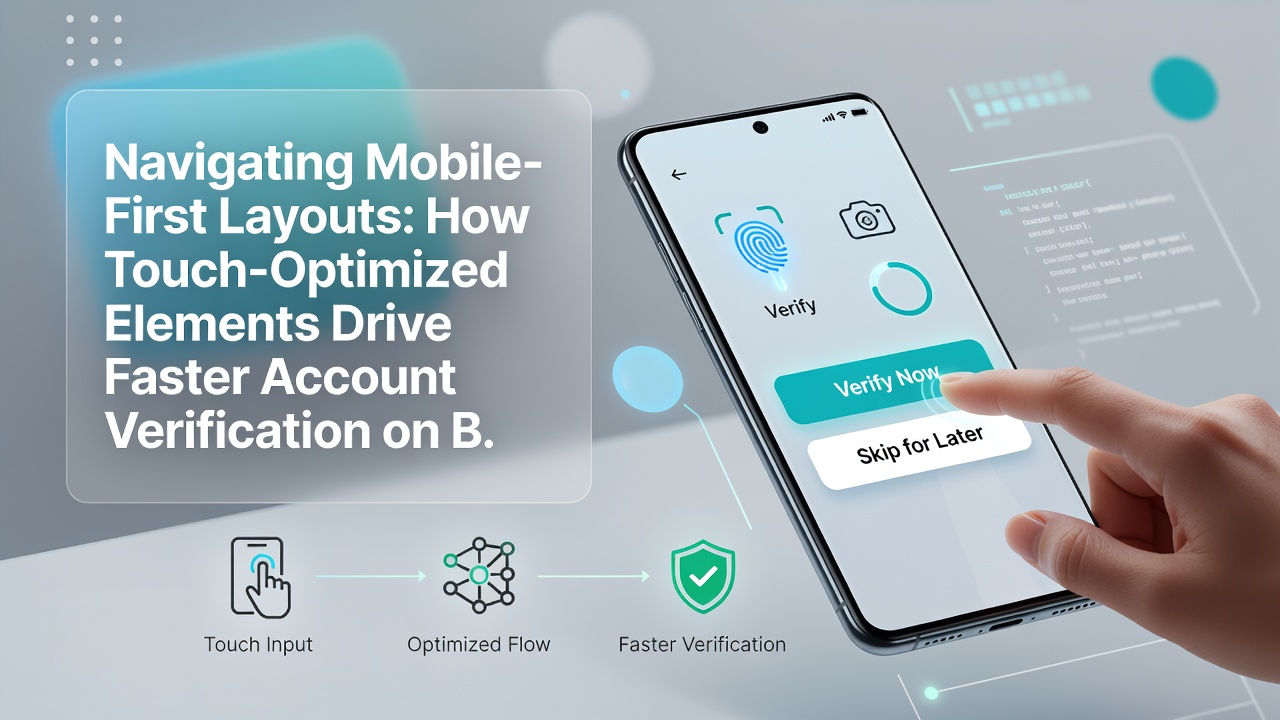
Impact on Conversion and Compliance Metrics
Conversion from registration start to verified status rises when touch latency stays under 100 milliseconds for every tap response, because delays compound frustration during multi-step checks. Industry organizations such as the European Gaming and Betting Association have documented that sites optimizing for mobile-first see verification abandonment fall, which in turn supports higher volumes of first deposits without additional marketing spend. Compliance teams benefit equally, since cleaner data packets arrive from mobile sessions that use device-native capture rather than compressed uploads prone to quality loss.
Security protocols embedded in these layouts include real-time liveness detection during selfie verification, where users tilt their device slightly to trigger motion analysis. Such checks run locally before transmission, preserving bandwidth and shortening the round-trip time to the verification server. Reports from Canadian provincial regulators confirm that these layered checks maintain fraud-prevention standards while fitting naturally into thumb-reachable screen zones.
Conclusion
Touch-optimized elements within mobile-first layouts have become central to verification speed on bookmaker platforms because they align interface mechanics with how most users actually access services today. Regulatory data across North America and Europe, combined with platform performance logs, indicate that these refinements produce measurable gains in completion rates and audit efficiency. As traffic patterns evolve around major events such as the 2026 World Cup, continued refinement of gesture and layout choices remains a practical response to observed user behavior on handheld devices.