Tracing Algorithmic Cues in Online Gambling Platforms: Guiding Novices from First Visit to Confirmed Registration
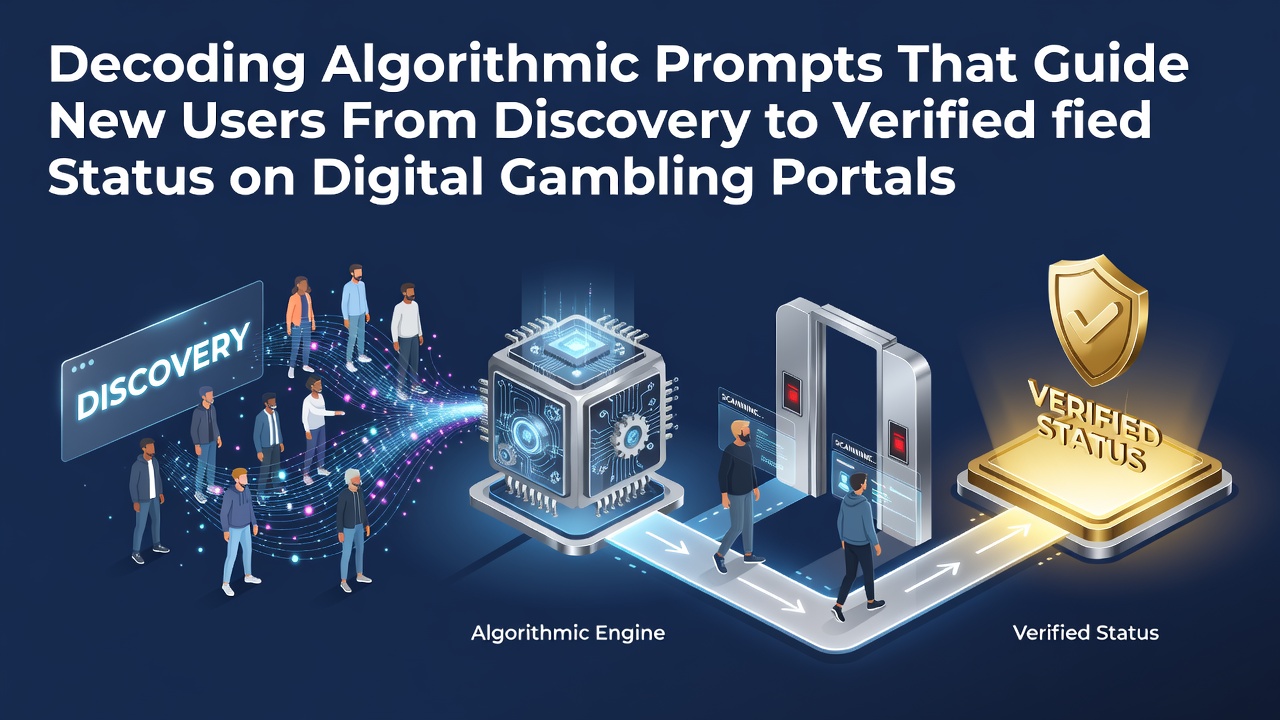
Digital gambling portals rely on layered algorithmic prompts to move new visitors through a sequence that begins with initial discovery and ends at verified account status, and these systems draw on user behavior data to adjust the timing and content of each cue. Observers note that platforms analyze click patterns, dwell times, and referral sources to determine when to surface registration invitations or verification reminders, which keeps the process moving without overwhelming first-time visitors.
Early stages often feature homepage banners and search-optimized landing pages that highlight welcome bonuses or simplified signup forms, while algorithms track whether a user lingers on sports markets or casino sections before presenting tailored prompts. Data from industry reports shows these initial triggers increase progression rates by matching content to inferred interests, such as displaying football odds to visitors arriving from sports-related queries.
Discovery Mechanisms and Behavioral Triggers
Users typically arrive through search engines, affiliate links, or social media campaigns, and platforms deploy algorithms that log entry points to customize the first set of prompts. When someone lands on a site from a comparison review, the system may immediately highlight deposit-match offers or quick-registration options, whereas direct visitors might see broader welcome messages first. Researchers at institutions like the University of Nevada have examined similar systems and found that timing these cues within the first thirty seconds correlates with higher completion rates for initial account creation.
Navigation menus and internal indexes further refine the journey by surfacing category-specific calls to action, and algorithms adjust menu prominence based on aggregate user flows. For instance, a visitor exploring live betting sections might encounter a sidebar prompt for instant verification after selecting a market, which connects discovery directly to later stages without requiring separate navigation.
Progression Through Signup and Early Prompts
Once a user begins the registration flow, algorithms monitor form completion rates and insert contextual prompts such as password strength indicators or location-based eligibility checks. These interventions appear as inline suggestions rather than separate pages, which maintains momentum. Reports from the European Gaming and Betting Association indicate that platforms using real-time feedback during signup see reduced abandonment compared with static forms.
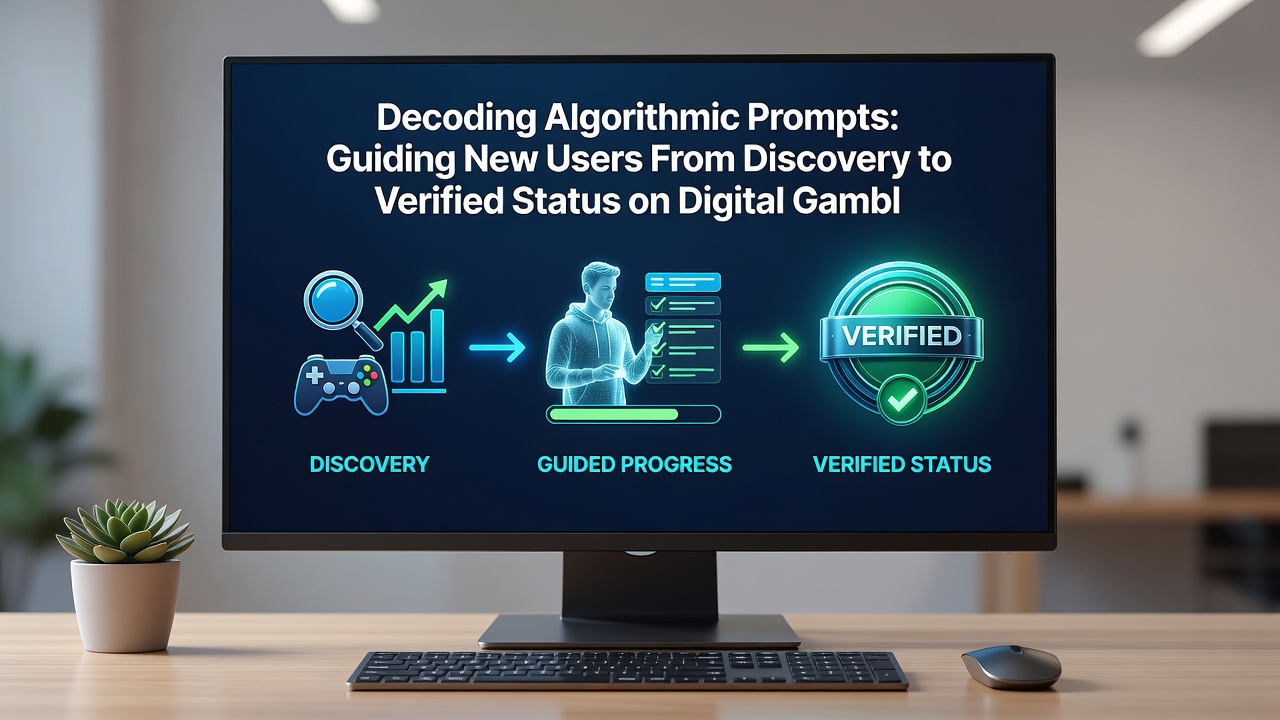
Verification steps follow immediately after basic registration in many systems, and algorithmic prompts here focus on document upload reminders or identity confirmation links sent via email or app notifications. The process often incorporates progressive disclosure, where users receive only the next required action once prior steps are complete, and systems flag incomplete profiles to trigger follow-up messages within twenty-four hours.
Verification Algorithms and Compliance Layers
Verification relies on automated checks against regulatory databases and document scanning tools, with algorithms prioritizing high-risk signals such as mismatched addresses or unusual IP locations. Platforms integrate these checks into the user interface through status bars that update in real time, and prompts encourage users to upload identification when the system detects a pending status. In regions with strict licensing requirements, such as certain Australian states overseen by the Australian Communications and Media Authority, these sequences align with mandatory timelines for completing identity confirmation.
June 2026 is expected to bring updates to several digital verification standards across multiple jurisdictions, which may influence how platforms refine their prompt sequences to accommodate new biometric options or cross-border data sharing protocols. Algorithms already adapt by testing variations in prompt wording and placement, using A/B frameworks to measure which combinations accelerate movement from pending to active status.
Case Examples of Prompt Sequencing
One documented pattern appears in platforms that route mobile users through app-install prompts after initial registration, followed by push notifications that guide document submission. Studies of user cohorts reveal that combining these with in-app progress trackers reduces the average time to verification from several days to under forty-eight hours in tested environments. Another approach surfaces loyalty program enrollment immediately after verification, which algorithms use to retain newly confirmed accounts through targeted bonus offers.
External indexes and site listings also feed into these systems by directing traffic to pre-verified pathways, and algorithms recognize returning visitors from such sources to skip redundant discovery steps. This creates shorter routes for users who arrive via structured directories, which data indicates can increase verified account creation volumes during peak periods.
Conclusion
Algorithmic prompts on digital gambling portals form an interconnected sequence that begins at discovery and concludes with verified status, and ongoing refinements rely on performance metrics to balance user progression with compliance requirements. Platforms continue to integrate new data sources and testing methods that adjust these pathways in response to regulatory shifts and behavioral trends observed across different regions.